
Understanding China's Enterprise Tiered Cultivation System: What 'Little Giant' and 'Specialized & Novel' Labels Mean for Foreign Buyers
By ChineseCheck Team
When evaluating Chinese suppliers or partners, most foreign businesses focus on financial statements, factory photos, and basic registration data. But they often miss one of the most powerful indicators of a Chinese company's quality and reliability: its government-assigned enterprise tiered cultivation label (企业梯度培育标签).
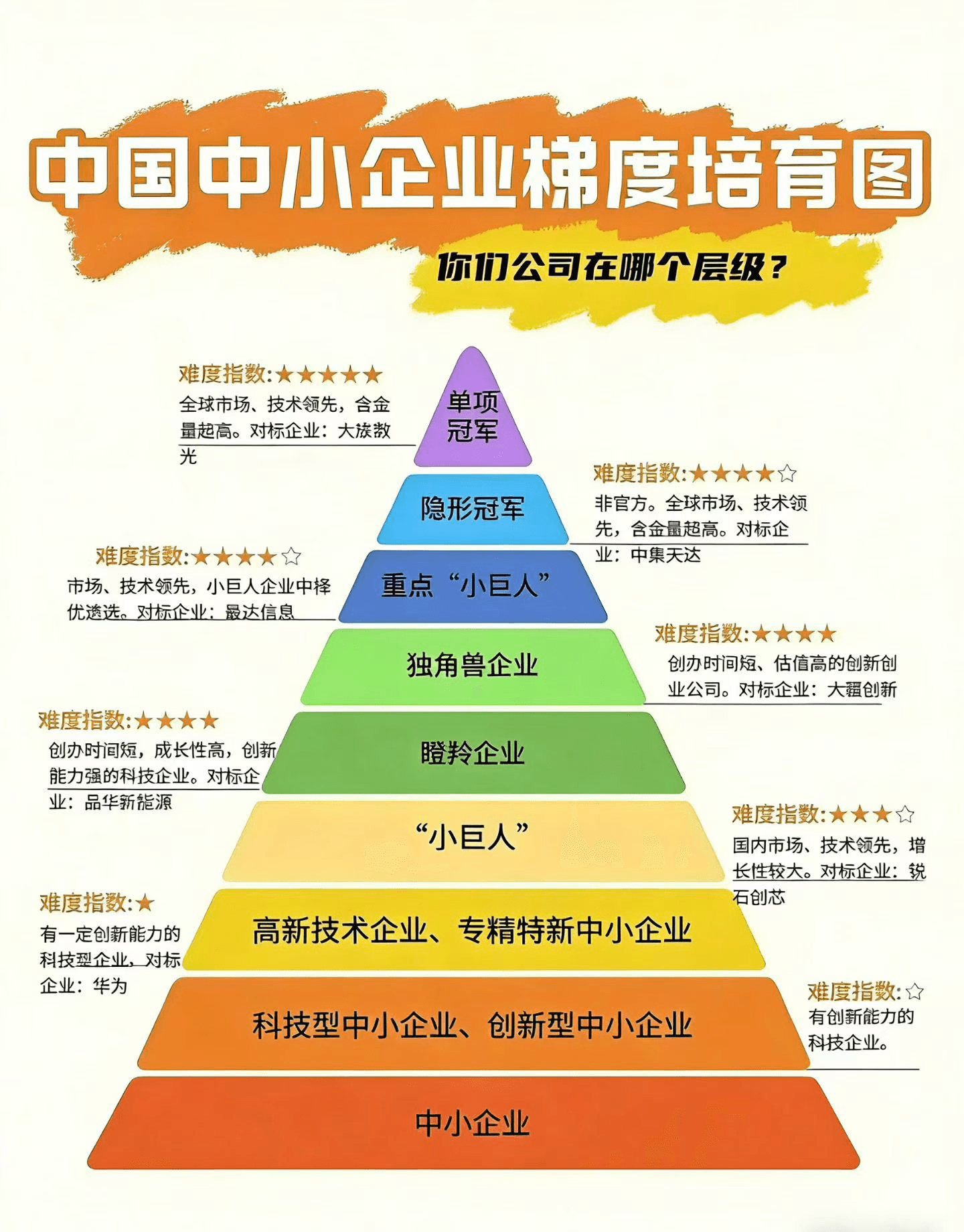
China's Ministry of Industry and Information Technology (MIIT) operates a comprehensive, pyramid-shaped classification system that ranks companies from ordinary SMEs at the base to elite Manufacturing Single Champions at the top. These labels are not self-declared—they are officially certified by government agencies based on rigorous evaluation criteria, and they carry real consequences: tax incentives, priority financing, government procurement access, and public credibility.
This guide explains each tier, what it signals about a company, and how foreign businesses can leverage these labels for smarter partner selection.
Quick Answer: What Are China's Enterprise Tiered Labels?
China classifies its small and medium enterprises into a multi-tiered pyramid system, each tier representing higher levels of innovation, specialization, and market dominance:
| Tier | Label | Certifying Authority | What It Signals |
|---|---|---|---|
| Base | SME (中小企业) | MIIT / National Bureau of Statistics | Meets basic size classification standards |
| Tier 2 | Tech-based SME (科技型中小企业) | Ministry of Science and Technology | Active R&D, owns intellectual property |
| Tier 3 | Innovative SME (创新型中小企业) | Provincial MIIT departments | Innovation-driven with growth potential |
| Tier 4 | Specialized & Novel SME (专精特新中小企业) | Provincial MIIT departments | Specialized, refined, differentiated, novel |
| Tier 5 | Little Giant (专精特新"小巨人") | MIIT (national level) | Top-tier niche market leader |
| Tier 6 | Key Little Giant (重点"小巨人") | MIIT + Ministry of Finance | Elite Little Giants receiving central funding |
| Peak | Manufacturing Single Champion (制造业单项冠军) | MIIT | Global leader in specific manufacturing segment |
The pyramid below—widely circulated among Chinese business professionals—illustrates exactly how this tiered system works in practice, with difficulty ratings at each level and benchmark companies representing each tier:
Access Barrier for Foreign Users
China's enterprise tiered cultivation data is managed across multiple government platforms—MIIT, provincial economic departments, and the Ministry of Science and Technology. All interfaces are entirely in Chinese and require navigating fragmented provincial portals. Foreign businesses cannot easily verify these labels—which is exactly why ChineseCheck was built.
Why Enterprise Tiered Labels Matter for Foreign Buyers
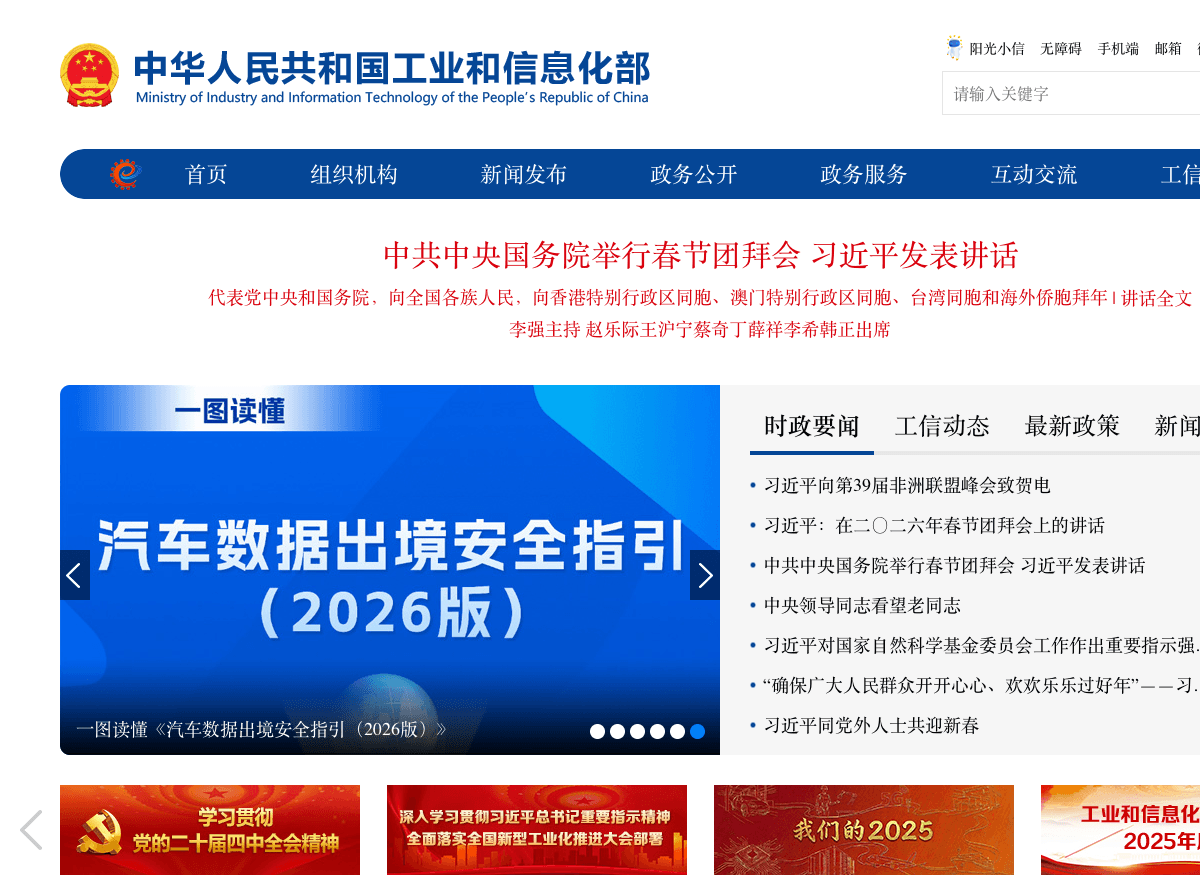
These labels are not marketing terms—they are official government certifications backed by the following policy framework:
- "Measures for Quality SME Tiered Cultivation Management" (MIIT Document No. 2 of 2026, effective April 1, 2026) — the core regulation governing the Innovative SME → Specialized & Novel → Little Giant pipeline
- "Guiding Opinions on Accelerating the Cultivation of Quality Manufacturing Enterprises" (MIIT Document No. 70 of 2021) — the top-level design establishing the full national tiered cultivation system
- "Manufacturing Single Champion Enterprise Recognition Management Measures" — governing the peak-tier certification
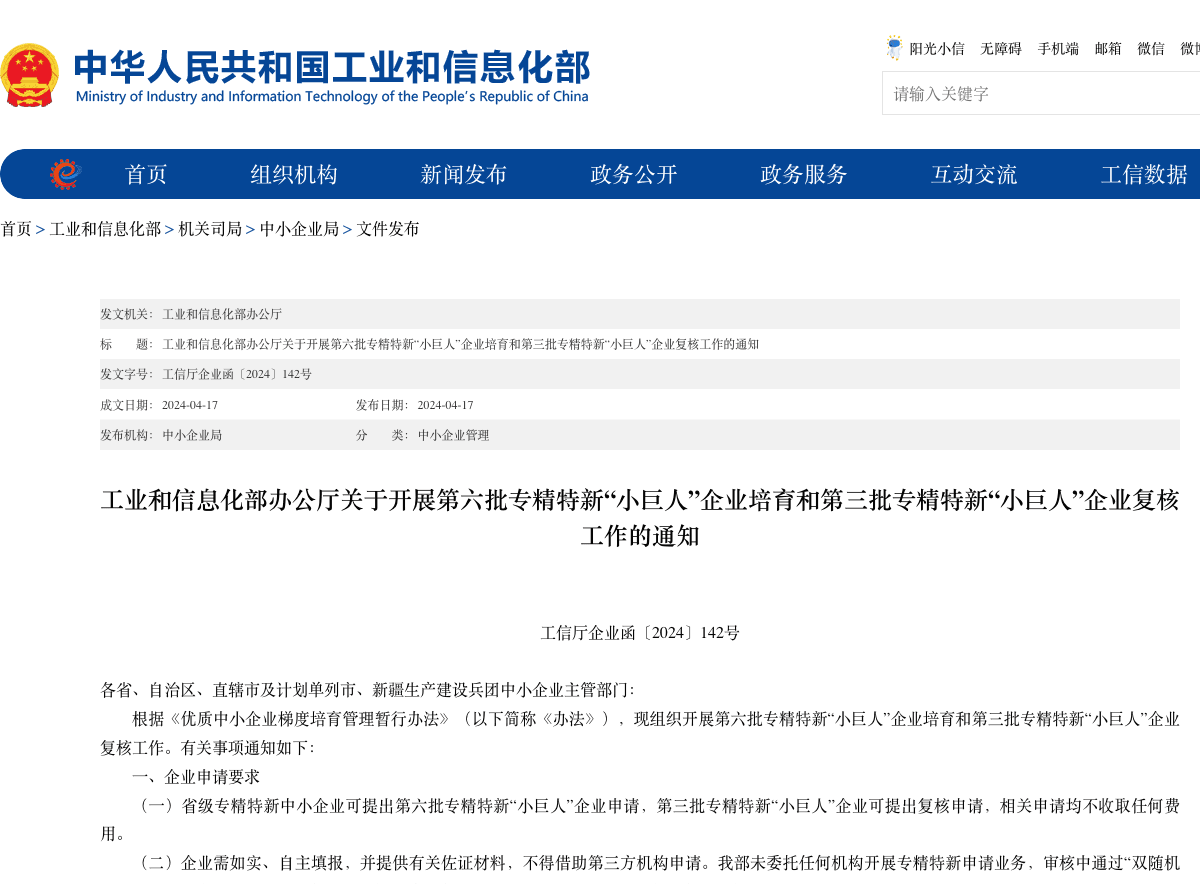
Each batch of "Little Giant" certifications is formally announced via an official MIIT notice. The screenshot below shows the actual government document for the 6th batch of Little Giant certifications (Document No. 工信厅企业函〔2024〕142), published by MIIT's SME Bureau—illustrating just how formal and rigorous the certification process is:
What Each Label Tells You About a Supplier
For foreign buyers, these labels function as pre-validated quality signals:
-
A "Little Giant" label means the company dominates a niche market — These companies typically hold top-3 market share in their specific product segment domestically, with many competing globally. They have strong IP portfolios and stable revenue.
-
A "Specialized & Novel" label means focused expertise — The Chinese term 专精特新 literally means "Specialized, Refined, Differentiated, Novel." These companies have deep domain expertise and typically supply critical components in strategic supply chains.
-
A "Manufacturing Single Champion" label means global-level excellence — These companies have focused on one product for 10+ years and rank among the top globally in their segment. They are China's answer to Germany's "Hidden Champions."
-
No label or only base-tier SME status may indicate higher risk — While many legitimate companies haven't applied for these certifications, the absence of any tier label means less government-validated evidence of quality.
ChineseCheck reports include enterprise certification data
Our comprehensive reports show government-assigned enterprise labels, high-tech enterprise status, patent portfolios, and industry certifications—helping you assess the recorded qualifications of suppliers.
Verify Chinese CompanyReal Cases: How Enterprise Labels Impact Cross-Border Business
Case 1: German Auto Parts Buyer Finds Hidden Champion
In 2024, a German automotive OEM was sourcing precision bearing components from China. Among 12 potential suppliers, one company—a Zhejiang-based manufacturer—held the "Manufacturing Single Champion" designation from MIIT. The buyer's due diligence revealed:
- 15 years focused exclusively on precision bearings
- 47 active patents with 3 international PCT patents
- A-grade taxpayer credit rating
- Top-3 domestic market share in its segment
Result: The German buyer chose this supplier over cheaper alternatives. After 18 months, the supplier delivered zero-defect batches consistently, while two other initially cheaper suppliers had quality issues requiring costly returns.
Case 2: US Electronics Firm Avoids Risky Supplier
A US consumer electronics company was evaluating two Chinese PCB manufacturers for a $2M annual supply contract. Both factories appeared similar on the surface. However, a ChineseCheck report revealed:
- Supplier A: Designated as a provincial-level "Specialized & Novel" SME, with stable annual reports and A-grade tax credit
- Supplier B: No enterprise tiered label, listed on the Business Anomaly Registry for failure to file annual reports, with C-grade tax credit
Result: The US firm chose Supplier A. Six months later, Supplier B was reported to have ceased operations—validating the risk signals that the tiered label system had already flagged.
Case 3: Japanese Trading Company Leverages "Little Giant" Status
A Japanese trading house specializing in new energy materials specifically targeted Chinese companies with "Little Giant" designations for partnership. Their logic: Little Giant companies receive priority government financing and policy support, making them more financially stable and innovation-driven than uncertified peers.
Result: Their portfolio of Little Giant suppliers showed 40% lower supply disruption rates compared to their non-certified supplier base over a 3-year period.
How to Check Chinese Company Enterprise Labels (3 Methods)
Method 1: MIIT and Provincial Government Portals
Steps:
- Visit MIIT or provincial economic/information technology department websites
- Search published lists of certified "Little Giant," "Specialized & Novel," and "Manufacturing Single Champion" companies
- Cross-reference with the National Enterprise Credit Information System
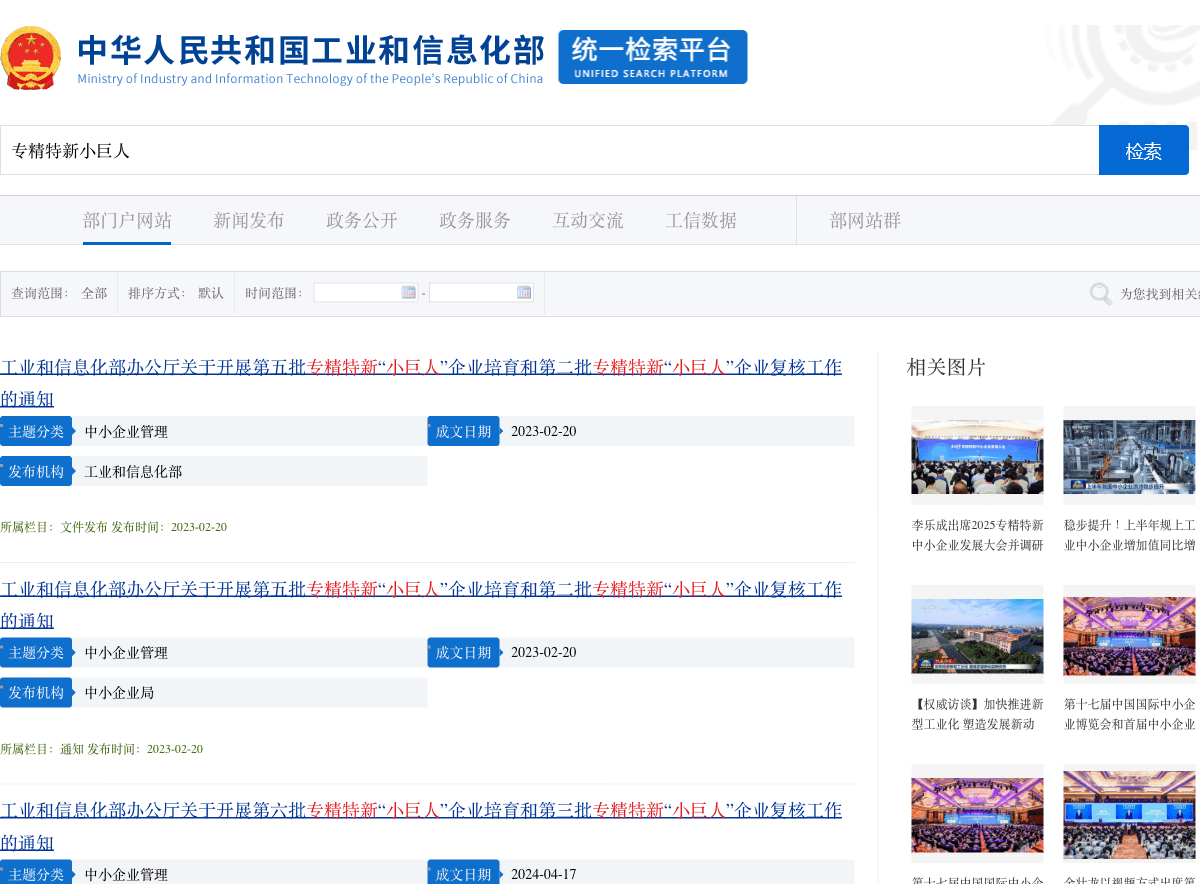
Even searching the MIIT website for "专精特新小巨人" (Little Giant) returns hundreds of documents—policy notices, batch announcements, and working reports—all in Chinese, requiring significant effort to extract actionable company-level data:
Challenges:
- ❌ Data scattered across 30+ provincial portals plus MIIT central database
- ❌ All interfaces in Chinese with no English support
- ❌ Published lists are often in PDF or announcement format, not searchable databases
- ❌ Must manually cross-reference multiple sources for a complete picture
Method 2: Commercial Chinese Business Databases
Some commercial platforms like Tianyancha or Qichacha aggregate some enterprise label data.
Limitations:
- ⚠️ Chinese language only
- ⚠️ Requires Chinese phone number for registration
- ⚠️ Data may not be current (certification lists update annually)
- ⚠️ No risk analysis or English translation
Method 3: ChineseCheck Automated Reports
ChineseCheck aggregates enterprise certification data from official sources and presents it alongside 24+ other data dimensions in comprehensive English reports.
- ✅ **No Chinese ID required** - Access from anywhere in the world
- ✅ **Report progress** - Generation time depends on data availability; track progress in My checks.
- ✅ **Plain English** - Chinese government labels translated and explained
- ✅ **Comprehensive coverage** - Enterprise labels + tax credit + litigation + 20+ data sources
- ✅ **Risk scoring** - AI analysis identifies certification gaps and red flags automatically
The Fastest Way to Verify Chinese Company Quality Labels
Manually searching for Chinese enterprise tiered labels presents significant barriers:
❌ Fragmented — Data across MIIT, MOST, provincial portals, and credit systems ❌ Language barrier — Complex Chinese policy terminology ❌ Not searchable — Many lists published as static PDFs or announcements ❌ Incomplete — No single source shows all certifications for one company
ChineseCheck solves all these problems with automated, comprehensive reports that include:
- Enterprise tiered labels from MIIT and provincial authorities
- High-tech enterprise status from the Ministry of Science and Technology
- Patent and IP portfolios from intellectual property databases
- Tax credit ratings from tax authorities
- Administrative penalties from market regulation authorities
- Litigation records from court databases
- AI risk analysis with actionable recommendations
Get a Comprehensive Chinese Company Verification Report
Enterprise labels, certifications, tax compliance, litigation records, and AI-powered risk analysis—all in one English report available online with PDF download when ready. Generation time depends on data availability; track progress in My checks.
- Ready reports: online viewing and PDF download
- 24+ official government data sources
- Eligible refunds or restored credits under policy; 14-day cash refund window
Conclusion: Use Government Labels as Your First Filter
China's enterprise tiered cultivation system represents years of government effort to identify, certify, and support the country's most innovative and capable companies. For foreign businesses, these labels serve as pre-validated quality signals that can dramatically improve supplier selection decisions.
A company certified as a "Little Giant" or "Manufacturing Single Champion" has passed rigorous government evaluation across innovation capability, market position, financial health, and IP strength. While no certification guarantees perfect performance, these labels provide a level of third-party validation that is rare in international B2B sourcing.
The smartest approach: Use enterprise tiered labels as your first-pass filter when evaluating Chinese suppliers, then combine with comprehensive credit reports covering tax compliance, litigation history, enforcement records, and administrative penalties for a complete risk picture.
Ready to verify a Chinese company's enterprise certifications? Search now →